Key Takeaways:
-
Diversify your steel supply sources. Working with multiple qualified suppliers helps reduce disruptions and strengthens steel supply chain resilience.
- Monitor market indicators proactively. Tracking steel pricing trends and trade activity can improve manufacturing supply chain planning and reduce exposure to steel cost volatility.
- Partner with a value-added steel service center. Processing capabilities, inventory programs, and reliable delivery support stronger steel supply chain risk management.
Steel supply chain risk management has become a critical priority for manufacturers facing unpredictable markets and ongoing disruptions. Material shortages, transportation delays, trade policy changes, and price swings continue to affect procurement teams across industries. As a result, many manufacturers are reevaluating their steel procurement strategy to improve reliability and control costs. A stronger approach helps reduce steel sourcing risk while supporting production schedules. Fortunately, several practical strategies can be implemented to build a more resilient supply chain. By planning and working with a trusted partner, manufacturers can keep production on schedule even when markets don’t cooperate.
Why Steel Supply Chains Remain Vulnerable
Over the last several years, global supply chains have been affected by economic shifts, geopolitical tensions, transportation constraints, and changing demand patterns. Consequently, manufacturers often face challenges securing consistent material availability.
Several factors continue to influence steel supply chain performance:
- Fluctuating steel prices driven by raw material costs and market demand
- Trade policy changes affecting imports and domestic supply
- Transportation and logistics bottlenecks
- Inventory shortages throughout the supply network
- Capacity constraints among mills and processors
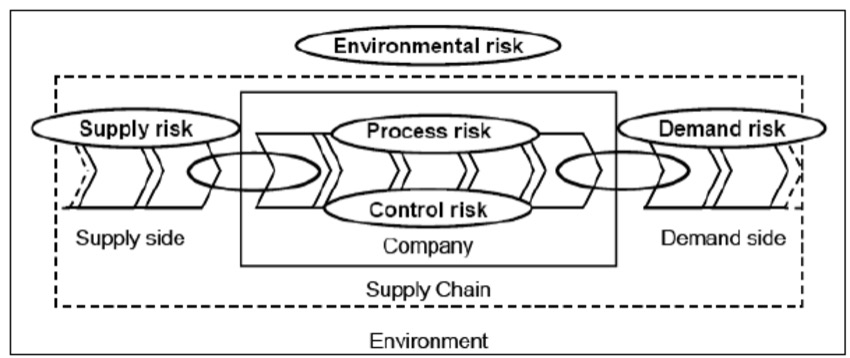
For many organizations, these disruptions can result in delayed production schedules, higher operating costs, and reduced customer satisfaction if risks are not actively managed. According to the Producer Price Index for Steel Products, steel pricing can shift significantly over relatively short periods. Likewise, U.S. steel import and trade data continues to highlight how global trade activity influences domestic supply availability.
Strengthen Your Steel Procurement Strategy with Domestic Sourcing
One of the most effective ways to reduce supply chain risk is through domestic steel sourcing. Although global suppliers can offer competitive pricing, overseas procurement often introduces longer lead times and greater exposure to shipping disruptions.
Domestic sourcing offers several advantages:
- Shorter and more predictable lead times
- Improved communication and responsiveness
- Reduced transportation risk
- Greater visibility into inventory availability
- Enhanced supply chain flexibility
Additionally, manufacturers evaluating how steel tariffs are impacting domestic procurement may find that domestic sourcing strategies provide greater stability during periods of market uncertainty. A balanced steel procurement strategy often includes a mix of domestic and international sources, allowing organizations to manage costs while maintaining supply continuity.
Diversify Suppliers to Reduce Steel Sourcing Risk
Relying heavily on a single supplier creates significant exposure when disruptions occur. Therefore, steel supplier diversification should be considered a core component of any risk management plan.
A diversified supplier network can help manufacturers:
- Maintain material flow during shortages
- Improve negotiating leverage
- Access alternative inventory sources
- Reduce dependence on a single geographic region
- Improve overall steel supply chain resilience
However, supplier diversification should be approached strategically. Suppliers should be evaluated based on quality standards, delivery performance, processing capabilities, and financial stability. Manufacturers can use a comprehensive steel supplier evaluation checklist when assessing potential partners for both spot purchases and long-term supply agreements.
Improve Visibility Through Manufacturing Supply Chain Planning
Effective manufacturing supply chain planning allows procurement teams to anticipate disruptions before they impact operations.
Organizations that leverage forecasting and demand planning are often better positioned to:
- Identify future material requirements
- Adjust purchasing schedules proactively
- Manage inventory levels more effectively
- Reduce emergency purchases
- Improve budget forecasting
Furthermore, monitoring economic and manufacturing indicators can provide valuable insight into future market conditions. The Federal Reserve’s manufacturing production data offers useful manufacturing supply chain insights that can help organizations understand broader industrial activity trends. When forecasting processes are strengthened, purchasing decisions can be made with greater confidence.
Manage Steel Cost Volatility Through Strategic Purchasing
Steel cost volatility remains one of the most challenging aspects of procurement management. Prices can be influenced by supply-demand imbalances, raw material availability, energy costs, and policy changes.
To manage pricing risk, manufacturers often implement several best practices:
- Utilize Contract Purchasing Programs: Long-term agreements may help stabilize pricing and secure material availability during volatile market conditions.
- Maintain Strategic Inventory Levels: While excessive inventory can increase carrying costs, maintaining appropriate stock levels can help protect operations from supply interruptions.
- Monitor Market Trends Regularly: Tracking industry data allows procurement teams to identify potential market shifts before they significantly impact budgets.
- Work with Experienced Supply Partners: Established steel service centers can provide market intelligence, inventory support, and procurement guidance during periods of uncertainty.
Leverage Value Added Services to Support Supply Chain Resilience
Material availability is only one part of supply chain performance. Processing capabilities can also impact production efficiency and lead times.
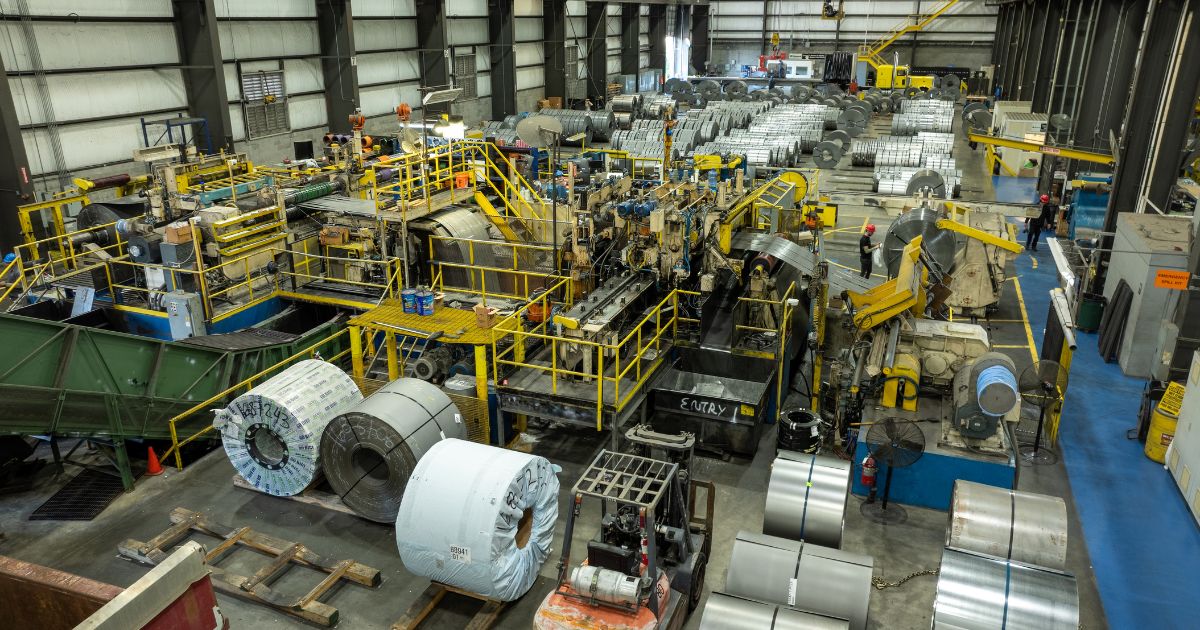
Working with a steel service center that provides flat-rolled steel processing services can streamline operations by reducing handling, improving material readiness, and supporting just-in-time delivery requirements.
Value added services may include:
- Slitting
- Cut-to-length processing
- Precision blanking
- Inventory management programs
- Customized packaging and logistics support
These capabilities can help manufacturers improve operational efficiency while reducing the complexity of managing flat rolled steel supply.
Build Long-Term Steel Supply Chain Resilience
Organizations that take a proactive approach to steel supply chain risk management are generally better equipped to handle market disruptions. Rather than reacting to shortages and price increases, manufacturers can develop strategies that strengthen procurement performance over time.
Successful programs typically focus on:
- Domestic steel sourcing opportunities
- Steel supplier diversification
- Data-driven manufacturing supply chain planning
- Strategic inventory management
- Long-term supplier partnerships
- Ongoing monitoring of steel cost volatility
When these elements are combined, supply chain resilience can be significantly improved. An established, family-owned partner with decades of stability can offer the kind of consistency that consolidators often can’t.
FAQ — Steel Supply Chain Risk Management
Manufacturers should evaluate suppliers based on inventory availability, processing capabilities, quality standards, delivery performance, financial stability, and industry expertise. A supplier that offers value added services can also help improve overall supply chain efficiency.
Manufacturers commonly address steel cost volatility through contract purchasing programs, strategic inventory management, market monitoring, and long-term supplier relationships. These strategies help create greater pricing predictability and improve budgeting accuracy.
Yes. Supplier diversification is often used to reduce steel sourcing risk because it provides alternative supply options when disruptions occur. While managing multiple suppliers requires additional coordination, the increased flexibility can help protect production schedules.
Domestic steel sourcing can improve reliability by reducing transportation distances, shortening lead times, and increasing visibility into inventory availability. As a result, manufacturers may be less vulnerable to international shipping delays and trade-related disruptions.
Steel supply chain risk management is the process of identifying, evaluating, and reducing risks that could affect steel availability, pricing, quality, or delivery performance. The goal is to maintain consistent production while minimizing disruptions and unexpected costs.
Secure Your Steel Supply with the Right Partner
Supply chain disruptions and price fluctuations are likely to remain part of the manufacturing landscape. However, proactive planning can significantly reduce risk. By strengthening your steel procurement strategy, diversifying suppliers, and partnering with experienced service centers, your organization can build a more resilient supply chain.
 Discuss customized sourcing, processing, and inventory solutions that support your manufacturing goals.