Key Takeaways:
- Precision processing reduces production issues. Proper steel slitting, leveling, and blanking help minimize scrap, downtime, and tooling wear.
- Custom steel solutions improve efficiency. Production-ready material helps OEMs streamline operations and reduce unnecessary processing steps.
- Strong steel partners support supply chains. Reliable B2B steel supply and value-added services help manufacturers maintain consistent production flow.
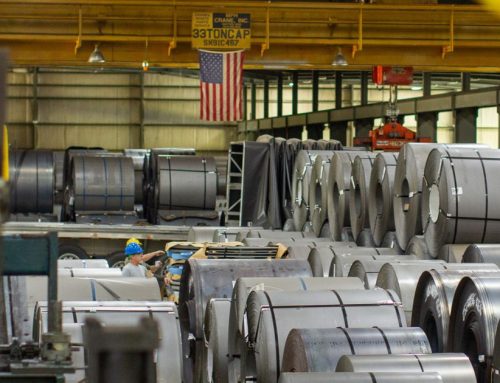
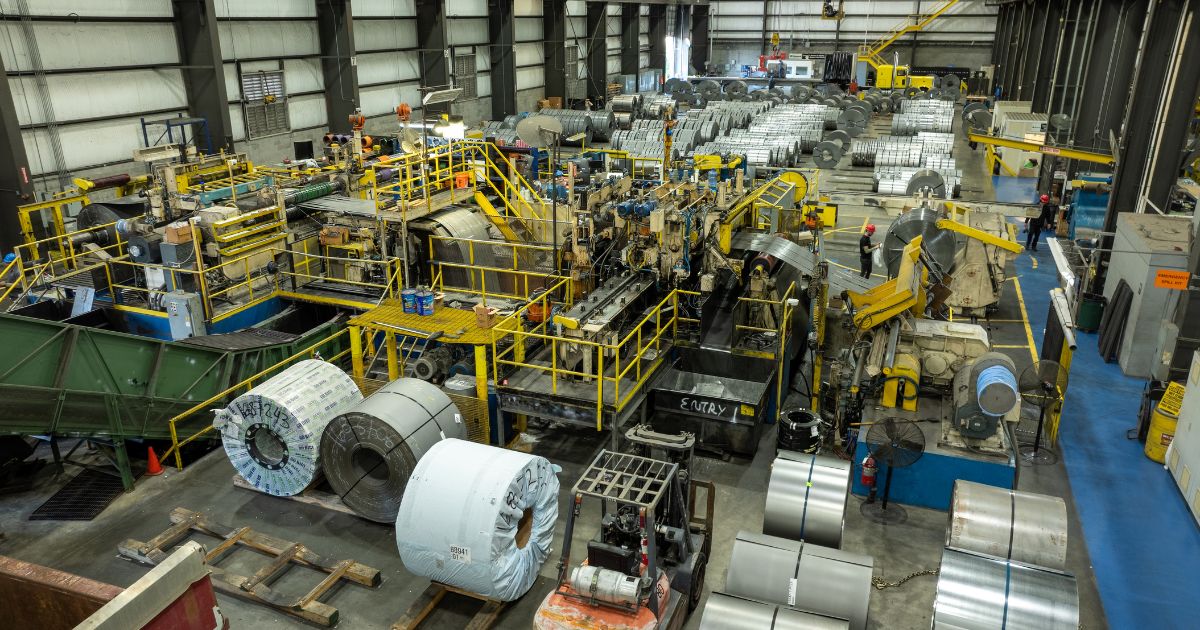
Flat-rolled steel processing plays a critical role in modern manufacturing performance. Even minor material inconsistencies can lead to scrap, downtime, and production slowdowns. As OEM steel requirements continue to increase, precision coil processing has become more important than ever. Additionally, manufacturers are being pushed to improve efficiency while reducing operational costs. Because of this, value-added steel services are often relied on to help improve production readiness and supply chain performance. Precision steel services are designed to help customers receive material that is ready to perform from the start.
Why Precision Flat-Rolled Steel Processing Matters
In high-speed manufacturing environments, material quality cannot be overlooked. Poor coil shape, inconsistent gauge, and surface imperfections can interrupt production and increase costs quickly. Precision flat-rolled steel processing is used to reduce those risks before material reaches the production floor.
Processes such as steel slitting and steel leveling help improve dimensional accuracy and coil consistency. Leveling is also used to reduce residual stress and improve flatness throughout the material. These improvements allow steel to move more smoothly through stamping and fabrication equipment.
For many manufacturers, production efficiency is directly tied to incoming material quality. If material inconsistencies are discovered late in production, costly delays may follow. Therefore, precision steel services are often viewed as an important part of operational reliability.
According to the American Iron and Steel Institute, steel quality and dimensional consistency remain essential for supporting modern manufacturing standards.
Advanced Surface Inspection Supports Material Quality
In addition to precision processing, material quality must also be consistently verified throughout production. Surface defects, inconsistencies, and imperfections can create major downstream issues if they are not identified early.
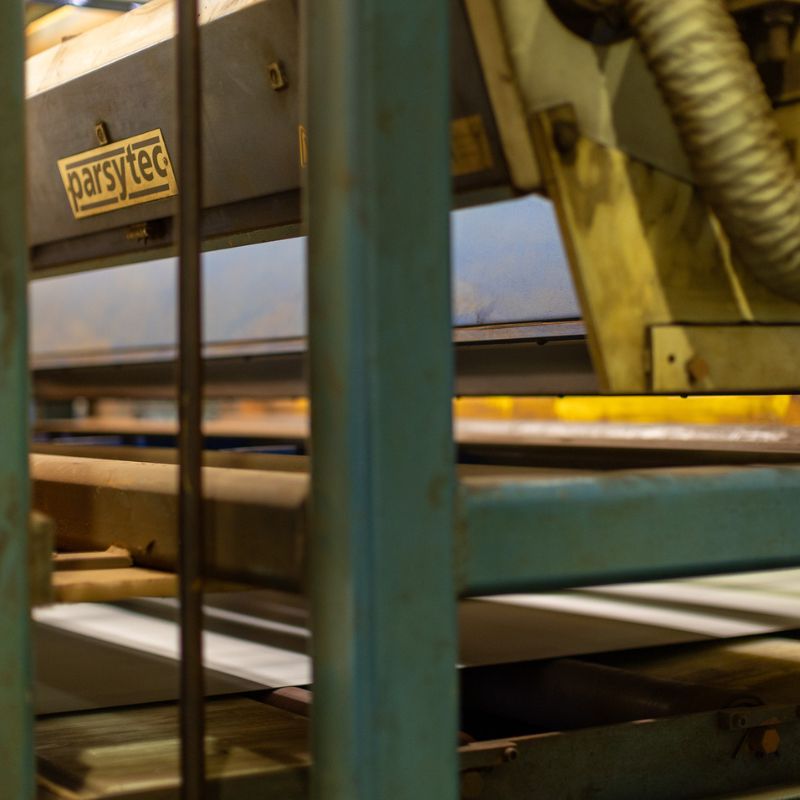
To help maintain strict quality standards, advanced inspection technology, including the Parsytec surface inspection system, is utilized. This technology is used to monitor steel surfaces throughout processing and help identify defects before material reaches the customer.
By combining automated inspection systems with experienced quality control teams, coil processing quality can be more consistently maintained across a wide range of OEM applications. As a result, manufacturers receive material that is better prepared for stamping, forming, and fabrication processes.
For OEMs operating in high-volume environments, early defect detection can help reduce scrap, improve consistency, and minimize costly production interruptions.
Steel Slitting and Coil Processing for OEM Performance
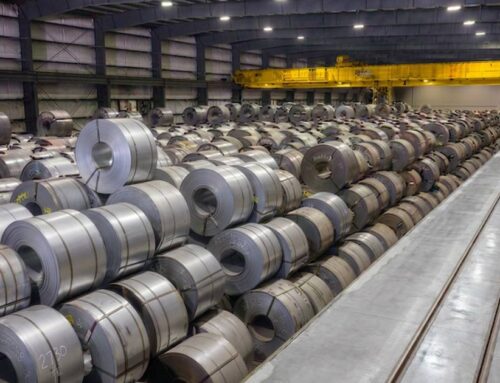
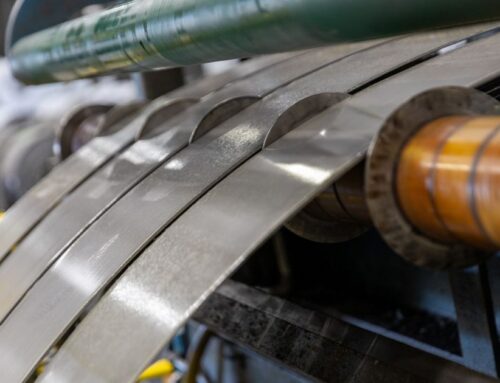
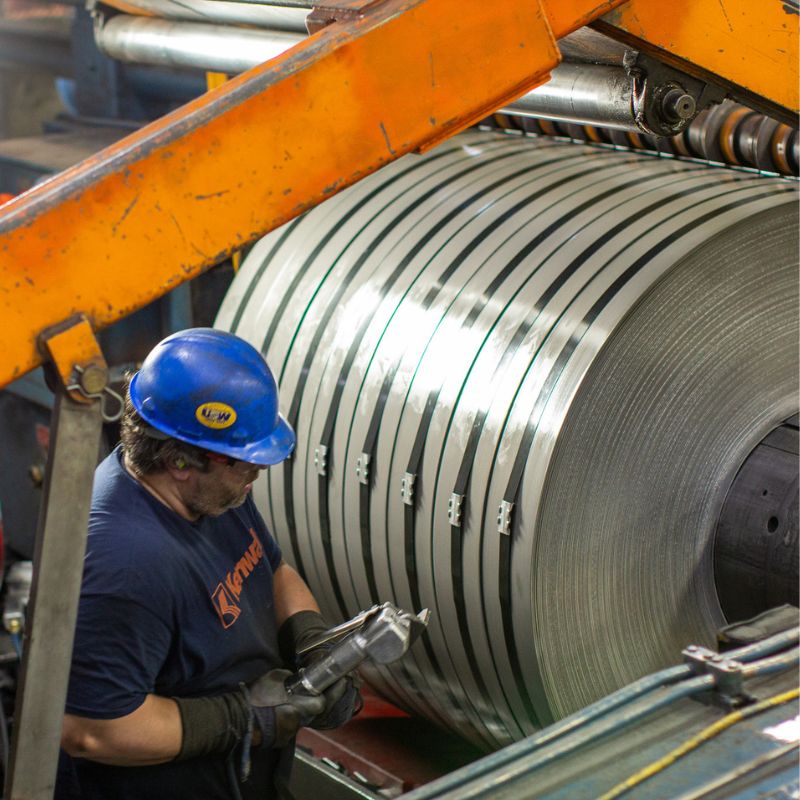
Steel slitting is one of the most important parts of flat-rolled steel processing. During this process, master coils are cut into narrower widths based on exact production requirements. This allows manufacturers to receive material prepared specifically for their equipment and applications.
When steel slitting is performed with precision, several operational benefits can be achieved, including:
- Improved material utilization
- Reduced scrap generation
- Better feed performance
- Faster setup times
- More consistent production flow
Also, custom coil processing can help simplify inventory management and purchasing. Instead of managing multiple suppliers, manufacturers can often rely on one processing partner for multiple material needs. Consequently, supply chain coordination becomes easier and more efficient.
How Steel Leveling and Blanking Improve Production
Steel leveling is used to correct shape imperfections and improve flatness before fabrication begins. Without proper leveling, forming inconsistencies and part defects may occur during production. Because of this, leveled material is often preferred for precision manufacturing applications.
Similarly, steel blanking allows manufacturers to receive ready-to-use steel blanks cut to exact dimensions. This helps reduce in-house processing demands while improving production consistency. In many cases, production timelines can also be shortened through outsourced blanking and precision cutting services.
Together, steel leveling, steel blanking, and other value-added steel services help manufacturers improve workflow and reduce unnecessary handling throughout production.
Value-Added Steel Services Support Supply Chain Efficiency
Today, manufacturers need more than raw material delivery. They also need processing partners capable of supporting inventory planning, logistics coordination, and custom steel solutions.
As supply chains become more complex, value-added steel services are being used to improve flexibility and reduce operational friction. In many cases, consolidating services under one provider helps simplify production planning and purchasing.
Benefits of integrated coil processing and B2B steel supply services may include:
- Improved inventory control
- Reduced vendor management
- Faster turnaround times
- Better delivery consistency
- Greater production flexibility
Strong processing partnerships can help manufacturers respond more effectively to changing production demands as well.
Support Precision Manufacturing with a Complete Steel Service Partner
The right partner will provide flat-rolled steel processing solutions built to support demanding OEM manufacturing environments. Capabilities include steel slitting, leveling, pickling, blanking, and custom coil processing services tailored to specific production requirements.
Explore full processing capabilities.
By combining precision steel services with dependable logistics and customer-focused support, manufacturers are provided with material prepared for consistent performance. Production efficiency can be improved while unnecessary downtime is reduced.
As manufacturing standards continue evolving, reliable flat-rolled steel processing will remain essential for maintaining quality, efficiency, and long-term operational success.
See for yourself how Kenwal is setting the standard:
FAQ — Flat-Rolled Steel Processing
While value-added processing adds services before material reaches your facility, it can lower overall production costs by reducing in-house labor, minimizing material waste, shortening setup times, improving production throughput, and decreasing the need for additional handling or secondary processing. Evaluating total cost of ownership rather than material price alone often provides a more accurate picture of long-term savings.
Precision flat-rolled steel processing is widely used across industries that require tight dimensional tolerances and consistent material quality. Automotive, heavy equipment, appliance, construction, agricultural, HVAC, and industrial manufacturing companies commonly rely on processed steel to improve production efficiency, reduce scrap, and maintain product quality.
The right processing services depend on your manufacturing process, equipment capabilities, material specifications, and production volume. Factors such as part complexity, required tolerances, and downstream operations often determine whether services like slitting, leveling, blanking, or cut-to-length processing will provide the greatest operational benefit. Working with a processing partner early in the planning stage can help identify the most efficient approach.
 Learn how Kenwal’s processing expertise can optimize your steel supply.